
The landscape of cellular wellness research continues to expand as scientists explore different mechanisms that support the body’s natural maintenance processes. Among the emerging areas of investigation, two distinct fields have captured significant attention: the role of urolithin A in mitochondrial quality control, and separately, the properties of molecular hydrogen as a selective antioxidant. This article examines these independent research areas, providing evidence-based insights into how modern science approaches cellular health optimization.
Part 1: The Science of Urolithin A and Mitophagy
What Is Urolithin A?
Urolithin A represents a fascinating example of how the human body transforms dietary compounds into bioactive molecules. [Researchers have noted that urolithins are metabolites produced by gut microbiota from polyphenols found in certain foods.] These compounds emerge not directly from food, but through a complex interaction between dietary intake and gut bacteria.
The primary dietary sources of the precursor compounds include pomegranates, walnuts, strawberries, raspberries, and blackberries. [Studies have examined the polyphenol content in pomegranates and its transformation in the body.] When consumed, these ellagitannins undergo transformation by specific gut bacteria, ultimately producing urolithin A and related compounds.
The Microbiome Connection
Not everyone produces urolithin A equally. Studies reveal striking individual variations in this conversion process. [Research has shown significant variability in how individuals convert precursor compounds into urolithin A.] This variability stems from differences in gut microbiome composition.
Scientists have identified three distinct metabotypes related to urolithin production. [Different metabolic patterns have been observed in various populations.] Individuals with higher gut microbiome diversity and specific bacterial ratios show enhanced capacity for urolithin A production.
Understanding Mitophagy: Cellular Quality Control
Mitophagy represents a specialized form of cellular cleanup focused specifically on mitochondria. [Research suggests that cellular maintenance processes may change over time.] This process differs from general autophagy by selectively targeting mitochondria for removal.
The molecular mechanisms underlying mitophagy activation involve multiple signaling pathways. [Studies have identified various proteins and pathways involved in cellular energy metabolism.] These proteins act as regulators of cellular energy metabolism and mitochondrial biogenesis. The SIRT proteins play roles in maintaining mitochondrial function through various mechanisms including protein modification and metabolic regulation.
Research Findings on Muscle Function and Energy
Clinical trials have begun revealing the practical implications of urolithin A supplementation. [A study involving middle-aged adults observed changes in muscle performance measures.] The same research observed changes in aerobic endurance measures and physical performance tests.
[Another randomized trial examined effects in older adults and noted changes in muscle endurance measures.] Plasma biomarkers of mitochondrial health showed changes following supplementation.
Athletic Performance and Recovery Research
Recent investigations have extended into athletic populations. [A 2024 study in resistance-trained male athletes observed changes in performance measures after 8 weeks of supplementation.] The research also noted changes in oxidative stress markers.
Distance runners represent another population of interest. [Research examined competitive male distance runners during altitude training and noted changes in perceived exertion ratings.] Proteomic analysis of muscle biopsies revealed changes in mitochondrial pathways.
Study Limitations and Individual Variability
While research findings appear promising, several limitations warrant consideration. The ability to produce urolithin A naturally varies significantly among individuals based on gut microbiome composition. [Research suggests that direct supplementation may bypass natural production limitations.]
Additionally, most human studies involve relatively small sample sizes and short durations. Long-term effects and optimal dosing strategies remain areas of ongoing investigation. The research primarily focuses on muscle and mitochondrial parameters, with broader systemic effects requiring further exploration.
Transition: A Different Approach to Oxidative Balance
While urolithin A research focuses on mitochondrial quality control through mitophagy, scientists have simultaneously been investigating entirely different approaches to cellular wellness. Among these separate research areas, molecular hydrogen has emerged as a subject of interest due to its unique properties as a selective antioxidant.
Part 2: Understanding Selective Antioxidants and Molecular Hydrogen
The Concept of Selective Antioxidant Activity
Traditional antioxidants often work through broad-spectrum neutralization of reactive oxygen species. However, not all oxidative molecules affect the body equally. Some reactive oxygen species serve important signaling functions in normal physiology. The concept of selective antioxidant activity involves targeting specific oxidative species while preserving beneficial signaling molecules.
Molecular hydrogen represents one substance studied for selective antioxidant properties. Research has investigated how hydrogen gas dissolved in water might interact with specific oxidative species, particularly the hydroxyl radical, without interfering with beneficial oxidative signaling pathways.
Research on Exercise Recovery
Studies examining molecular hydrogen have explored various aspects of exercise physiology and recovery. Some research has investigated effects on lactate accumulation during exercise, while other studies have examined markers of oxidative stress following intense physical activity. These investigations remain separate from mitophagy research, representing a distinct mechanistic approach to supporting cellular function.
The research methodology typically involves administering hydrogen-rich water or hydrogen gas inhalation before, during, or after exercise protocols. Measurements often include blood markers, performance metrics, and subjective recovery assessments. Results vary across studies, with some showing measurable differences while others report minimal effects.
High-Purity Hydrogen Generation Technology
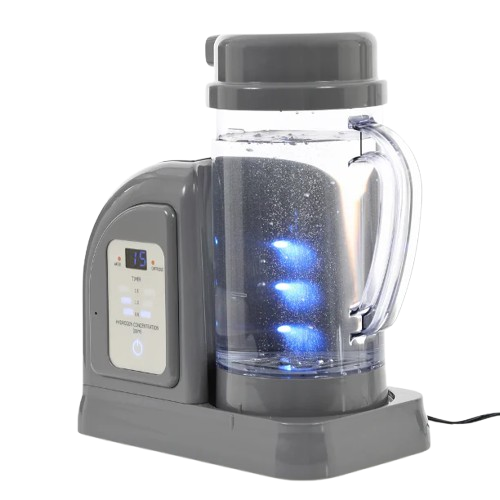
The production of molecular hydrogen for research and wellness applications requires specialized technology. Modern hydrogen generation devices employ electrolysis systems that split water molecules into hydrogen and oxygen gases. Advanced systems utilize separate-chamber designs to ensure purity.
Key engineering considerations include electrode materials, membrane technology, and water quality. High-purity titanium and platinum electrodes resist corrosion while maintaining consistent hydrogen production. Specialized membranes facilitate ion exchange. Independent laboratory testing evaluates hydrogen output concentration and water quality parameters under specified conditions.
The technology continues advancing, with manufacturers focusing on safety features, consistent output, and user-friendly operation. Quality control measures include third-party testing for hydrogen concentration, materials safety certification, and performance validation under various operating conditions.
Multiple Pathways in Cellular Wellness Research
The exploration of urolithin A and mitophagy represents one avenue in the broader landscape of cellular wellness research. This field examines how natural compounds derived from food interact with gut bacteria to produce bioactive metabolites that influence mitochondrial quality control. The research demonstrates measurable effects on muscle function, endurance, and recovery markers in various populations.
Separately, investigations into selective antioxidants like molecular hydrogen represent a different research direction entirely. This work focuses on understanding how specific molecules might interact with oxidative species while preserving beneficial cellular signaling.
Both research areas contribute to the expanding knowledge base of cellular wellness, though through distinct and unrelated mechanisms. As science continues advancing, researchers gain deeper insights into the various independent pathways that support cellular function and overall wellness.
The evidence suggests that supporting cellular health involves multiple factors including diet, microbiome composition, mitochondrial function, and oxidative balance. Understanding these various mechanisms empowers individuals to make informed decisions about wellness approaches based on scientific evidence rather than speculation.
For those interested in exploring evidence-based wellness technologies, continued education remains essential. Research evolves rapidly, and maintaining awareness of current findings helps distinguish between established science and preliminary observations.
Explore our library of research-based wellness articles to learn more about emerging approaches to cellular health, or discover how high-purity molecular hydrogen technology represents one avenue of investigation in oxidative stress management.
Disclaimer
These statements have not been evaluated by the Food and Drug Administration (FDA). Holy Hydrogen products are not intended to diagnose, treat, cure, or prevent any disease. Holy Hydrogen does not make any claims or give any advice regarding health conditions. All content is for educational and general wellness purposes only and should not be considered professional health guidance. Consult with a qualified healthcare professional before making any changes to your wellness routine.
References
[1] Tomás-Barberán FA, et al. Molecular Nutrition & Food Research.
[2] Liu S, et al. JAMA Network Open.
[3] Singh A, et al. Cell Reports Medicine.
[4] Jayatunga DPW, et al. National Center for Biotechnology Information.
[5] Espín JC, et al. National Center for Biotechnology Information.
[6] Li Z, et al. Nature.
[7] García-Mantrana I, et al. National Center for Biotechnology Information.
[8] Luan P, et al. Taylor & Francis Online.
[9] Biesemann N, et al. Sports Medicine.
[10] Liu S, et al. JAMA Network Open.