
The timing of meals throughout the day has emerged as a critical factor in metabolic wellness, extending far beyond simple calorie counting. Modern research reveals that when food is consumed can be just as important as what is eaten, with implications for energy production, fat metabolism, and cellular health. This growing field of chrononutrition examines how aligning eating patterns with the body’s natural circadian rhythms influences metabolic efficiency and overall wellness.
Recent scientific investigations have uncovered that strategic meal timing can impact insulin sensitivity, fat oxidation rates, and mitochondrial function—key factors that determine how efficiently the body produces and utilizes energy. For individuals navigating the demands of modern lifestyles, understanding these mechanisms offers evidence-based strategies for optimizing metabolic wellness without requiring drastic dietary changes.
The Science of Chrononutrition
Chrononutrition represents the intersection of nutritional science and circadian biology. [Researchers have noted connections between food intake patterns and circadian rhythms in relation to energy balance and metabolic processes] [1]. This field recognizes that the human body operates on approximately 24-hour cycles that regulate everything from hormone production to metabolic enzyme activity.
The body’s central clock, located in the brain’s suprachiasmatic nucleus, synchronizes with environmental light-dark cycles. However, peripheral clocks in organs like the liver, pancreas, and adipose tissue respond primarily to feeding patterns. Research indicates that synchronization between the central and peripheral body clocks supports metabolic function [9]. When meal timing aligns with these natural rhythms, metabolic processes operate more efficiently.
During daylight hours, particularly in the morning and early afternoon, the body exhibits peak insulin sensitivity and metabolic rate. Conversely, evening hours bring decreased insulin sensitivity and reduced metabolic activity as the body prepares for rest. Studies demonstrate that consuming meals during different time periods can affect the alignment between peripheral biological clocks and the central biological clock [9].
Metabolic Windows: When the Body Burns Best
The concept of metabolic windows reveals distinct periods when the body preferentially utilizes different fuel sources. [Research has observed that shifting meal times can influence fuel substrate utilization patterns] [3]. This finding suggests that meal timing independently impacts whether the body burns fat or carbohydrates for energy.
Morning hours represent a prime metabolic window for fat oxidation. Studies show that insulin sensitivity peaks in the early part of the day, allowing for more efficient processing of nutrients. [Researchers have noted associations between early eating patterns and body composition] [2]. Additionally, research indicates differences in fat oxidation between early and late eating patterns [2], highlighting the metabolic advantages of front-loading caloric intake.
The postprandial (after-meal) metabolic response also varies throughout the day. [Studies have observed differences in glucose levels when comparing different dinner timing] [4]. These timing shifts also affected lipid metabolism patterns the following day [4], demonstrating how meal timing influences metabolic function across multiple meals.
Practical Meal Timing Strategies
Evidence-based approaches to chrononutrition center on time-restricted eating (TRE) patterns that align food intake with circadian rhythms. [Research has explored early time-restricted eating patterns and their associations with various metabolic markers] [1].
[Analysis of TRE studies found changes in body composition and fat mass in participants following these patterns] [6]. Importantly, these observations occurred independently of other factors, suggesting intrinsic effects based on feeding pattern alignment [6]. The research also noted an 80% adherence rate, indicating that TRE patterns can be sustainably integrated into daily routines.
Short-term implementations show rapid metabolic adaptations. [Research demonstrated that 5 days of time-restricted feeding was associated with changes in fat oxidation rates] [5]. These findings suggest that metabolic flexibility—the ability to switch between burning fats and carbohydrates—can be enhanced relatively quickly through strategic meal timing.
For practical implementation, research supports consuming the majority of daily calories during daylight hours, with dinner completed several hours before sleep. Studies show benefits from eating windows ranging from 6 to 10 hours, typically beginning in the morning and ending in the mid-to-late afternoon. The key lies in consistency, allowing peripheral clocks to synchronize with the eating pattern.
The Oxidative Stress Connection
Circadian rhythms and oxidative stress share an intricate relationship that influences metabolic health. [Research has observed circadian patterns in oxidative stress markers and antioxidant activity] [8]. This rhythmic pattern suggests that the body’s natural defense mechanisms against oxidative damage fluctuate throughout the day.
Meal timing directly impacts this oxidative balance. [Studies have noted associations between early time-restricted feeding patterns and various metabolic markers including oxidative stress] [7]. These observations occurred alongside metabolic changes, highlighting the interconnected nature of these systems.
Within this context, molecular hydrogen emerges as a complementary approach to supporting cellular health. Research indicates that H₂ acts as a selective antioxidant that targets specific reactive oxygen species [10]. Unlike conventional antioxidants that may interfere with beneficial signaling molecules, molecular hydrogen selectively targets highly reactive hydroxyl radicals while preserving necessary cellular signals [11].
The unique properties of molecular hydrogen align well with chrononutrition principles. As the smallest molecule in nature, H₂ can easily spread and penetrate into the cell membrane to reach organelles such as mitochondria and the nucleus [11]. This ability to directly support cellular energy production centers complements the metabolic optimization achieved through strategic meal timing.
Cellular Energy and Mitochondrial Function
At the cellular level, meal timing influences mitochondrial efficiency—the powerhouses responsible for ATP production. Research explains that mitochondria generate ATP by utilizing the energy released during the oxidation of the food we eat, with this ATP serving as the primary energy source for most biochemical and physiological processes [12]. The timing of nutrient availability directly affects how efficiently these cellular engines operate.
Molecular hydrogen demonstrates particular relevance for mitochondrial support. Studies indicate that H₂ can help maintain cellular redox balance, supporting the body’s natural antioxidant systems [11]. This adaptive quality means molecular hydrogen can help maintain optimal cellular conditions for energy production.
Research also shows that H₂ supports the cellular antioxidant system by enhancing the activity and expression of cellular antioxidant enzymes [10]. These effects support the natural cellular processes that meal timing seeks to optimize, creating a synergistic approach to metabolic wellness.
Real-world evidence from athletes demonstrates practical benefits. [Studies with hydrogen-rich water consumption noted changes in recovery markers and performance metrics in athletic populations] [13]. These findings suggest that molecular hydrogen can support cellular recovery and energy production under demanding conditions.
Implementation Guide
Successfully integrating chrononutrition principles requires a gradual, sustainable approach. Beginning with a 12-hour eating window—such as 7 AM to 7 PM—allows the body to adapt while maintaining social and lifestyle flexibility. As comfort increases, the window can be shortened to 8-10 hours, ideally shifted earlier in the day to align with peak metabolic efficiency.
Consistency matters more than perfection. Research shows that metabolic benefits emerge even with moderate adherence, and the body’s peripheral clocks adapt to regular patterns over time. Weekend flexibility can be incorporated without completely disrupting the benefits, though maintaining similar timing provides optimal results.
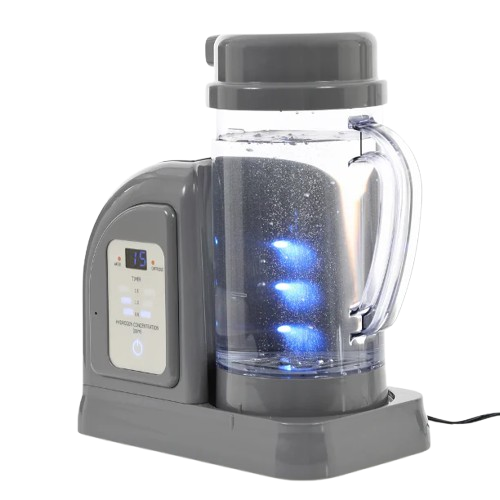
For those interested in comprehensive metabolic support, combining strategic meal timing with evidence-based wellness tools creates a multi-faceted approach. High-purity molecular hydrogen devices, engineered with separate-chamber electrolysis systems and lab-tested performance standards, offer one such complementary strategy. The key lies in selecting approaches backed by scientific research and quality testing.
Conclusion
The science of chrononutrition reveals that metabolic wellness extends beyond food choices to encompass the critical dimension of timing. Research consistently demonstrates that aligning meal patterns with circadian rhythms enhances fat oxidation, supports insulin sensitivity, and promotes cellular energy production. These benefits occur through fundamental biological mechanisms that can be leveraged without extreme dietary restrictions.
The intersection of meal timing with oxidative stress management presents particularly compelling opportunities for metabolic optimization. As research continues to elucidate these connections, evidence-based approaches like strategic eating windows and selective antioxidant support through molecular hydrogen offer practical tools for those seeking to enhance their metabolic wellness.
Understanding and implementing chrononutrition principles provides a science-informed pathway to better energy and metabolic function. By working with, rather than against, the body’s natural rhythms, individuals can optimize their wellness routines to meet the demands of modern life while supporting long-term metabolic health.
These statements have not been evaluated by the Food and Drug Administration (FDA). Holy Hydrogen products are not intended to diagnose, treat, cure, or prevent any disease. Holy Hydrogen does not make any medical claims or give any medical advice. All content is for educational and general wellness purposes only.
References
[1] Chrononutrition Research Group. “Chrononutrition and Metabolic Health: Comprehensive Review.” Nutrients. https://pubmed.ncbi.nlm.nih.gov/40647240/
[2] American Heart Association Workshop. “Circadian Rhythms and Eating Patterns.” Journal of the American Heart Association. https://pmc.ncbi.nlm.nih.gov/articles/PMC12184280/
[3] Meal Timing Research Team. “Circadian Misalignment and Substrate Utilization.” Obesity. https://pmc.ncbi.nlm.nih.gov/articles/PMC9691571/
[4] Dinner Timing Study Group. “Effects of Early vs Late Dinner on Glycemic Control.” Nutrients. https://pmc.ncbi.nlm.nih.gov/articles/PMC8308587/
[5] Time-Restricted Feeding Research. “Short-term TRF and Fat Oxidation.” Nature Scientific Reports. https://www.nature.com/articles/s41598-022-13387-8
[6] TRE Meta-Analysis Team. “Time-Restricted Eating: Systematic Review and Meta-Analysis.” PubMed Central. https://pmc.ncbi.nlm.nih.gov/articles/PMC7763532/
[7] Early TRF Clinical Trial. “Early Time-Restricted Feeding and Cardiometabolic Health.” PubMed Central. https://pmc.ncbi.nlm.nih.gov/articles/PMC5990470/
[8] Circadian Oxidative Stress Research. “Circadian Rhythms and Oxidative Stress Connection.” Antioxidants & Redox Signaling. https://pmc.ncbi.nlm.nih.gov/articles/PMC3689169/
[9] Meal Timing and Clock Genes Review. “Meal Timing, Circadian Rhythms, and Metabolic Disorders.” PubMed Central. https://pmc.ncbi.nlm.nih.gov/articles/PMC10528427/
[10] Molecular Hydrogen Antioxidant Research. “H₂ as a Selective Antioxidant: Mechanisms and Applications.” Biochemistry and Biophysics Reports. https://pmc.ncbi.nlm.nih.gov/articles/PMC11795818/
[11] H₂ Mechanism Review Team. “Molecular Hydrogen: Selective Free Radical Elimination and Mitochondrial Support.” PubMed Central. https://pmc.ncbi.nlm.nih.gov/articles/PMC11902952/
[12] Mitochondrial Biology Research. “Mitochondrial Function and ATP Production.” PubMed Central. https://pmc.ncbi.nlm.nih.gov/articles/PMC4321783/
[13] Athletic Performance H₂ Study. “Hydrogen-Rich Water in Elite Athletes: Performance and Recovery.” Journal of Lifestyle Medicine. https://pmc.ncbi.nlm.nih.gov/articles/PMC12076047/