The scientific understanding of cellular wellness continues to evolve through multiple independent avenues of research. Among these, the amino acid taurine has emerged as a subject of significant scientific interest, particularly regarding its relationship with age-related cellular changes. This examination explores current research on taurine’s decline with age and its potential role in supporting mitochondrial function, followed by a separate look at another area of cellular research: a: how selective antioxidant mechanisms support cellular cleanup and energy production.
Understanding Cellular Wellness Research
Cellular resilience—the ability of cells to maintain optimal function despite various stressors—represents a fundamental aspect of overall wellness. Researchers investigate numerous pathways that influence this resilience, from amino acid metabolism to oxidative balance mechanisms. Each pathway represents a distinct area of scientific inquiry, offering different perspectives on supporting cellular health through non-pharmaceutical approaches.
Part 1: The Science of Taurine and Cellular Resilience
Age-Related Taurine Decline: What Research Reveals
Recent research published in Science has documented a pattern: circulating taurine levels decrease with age across multiple species. [Researchers noted changes in taurine concentrations across different age groups in various species.]
This age-related decline appears in humans. [Research teams observed variations in taurine levels between younger and older individuals.] These observations have prompted increased scientific interest in understanding taurine’s role in cellular processes and whether supplementation might support wellness routines.
However, recent National Institutes of Health research provides important context for interpreting these findings. [NIH researchers examining multiple cohorts found large interindividual variation in circulating taurine concentrations.] This suggests that while population-level changes exist, individual responses vary considerably.
Mitochondrial Function and ATP Production Mechanisms
The scientific interest in taurine stems largely from its documented role in mitochondrial function. Research published in peer-reviewed journals reveals multiple mechanisms through which taurine influences cellular energy production.
tRNA Modification and Protein Synthesis
One mechanism involves taurine’s role in mitochondrial protein synthesis. [Research indicates taurine plays a role in mitochondrial tRNA modification processes.] This modification affects the production of essential components of the electron transport chain.
pH Regulation and Proton Gradients
Taurine also maintains optimal conditions for ATP synthesis through pH regulation. [Studies show taurine’s buffering capacity helps maintain pH levels in cellular compartments.]
Calcium Homeostasis and Energy Metabolism
Additionally, taurine influences cellular energy through calcium regulation. [Research demonstrates taurine’s role in calcium homeostasis and its relationship to energy production through mitochondrial function.]
Research Findings on Cellular Markers
The 2023 Science publication documented multiple cellular-level changes associated with taurine supplementation in animal models. [Researchers observed various cellular markers in animal studies.]
At the cellular level, researchers observed changes in animal models including [modifications in cellular markers and stem cell presence in some tissues.]
Primate studies provided additional insights. [In rhesus monkeys given daily taurine supplements for six months, researchers observed various metabolic markers.]
Exercise Recovery and Biomarker Assessment
Human studies have focused particularly on exercise recovery as a measurable endpoint for taurine’s effects. A systematic review in the Journal of the International Society of Sports Nutrition analyzed multiple human trials and found [improvements in various exercise performance metrics including VO₂max and time to exhaustion.]
The same review noted metabolic changes: [Observations included changes in various exercise-related metabolites.] These findings suggest dosing of approximately 1-3 grams daily may influence these exercise-related markers when taken 1-3 hours before activity.
For individuals interested in assessing personal response to taurine supplementation, wearable devices tracking heart rate variability, recovery scores, and exercise performance metrics may provide objective feedback. However, given the NIH findings about individual variation, responses will likely differ between individuals.
A Different Approach to Oxidative Balance
Part 2: The Science of Selective Antioxidants
Separately from amino acid research, scientists have investigated various approaches to managing oxidative stress from lifestyle factors. One area of study involves selective antioxidant mechanisms—compounds that specifically target certain reactive oxygen species while preserving beneficial cellular signaling molecules.
Molecular hydrogen represents one such selective antioxidant under investigation. Research suggests molecular hydrogen may interact with specific oxidative species while not affecting physiologically important reactive oxygen species involved in cell signaling.
Exercise Recovery Research
Studies have examined molecular hydrogen’s effects on exercise-induced oxidative stress. Research in athletes has shown potential influences on recovery markers, though findings remain preliminary and require further validation.
Mechanisms of Action
The proposed mechanisms for molecular hydrogen differ entirely from nutritional compounds like taurine. While taurine works through amino acid metabolism and mitochondrial protein synthesis, molecular hydrogen is thought to act through different chemical pathways.
Delivery Methods
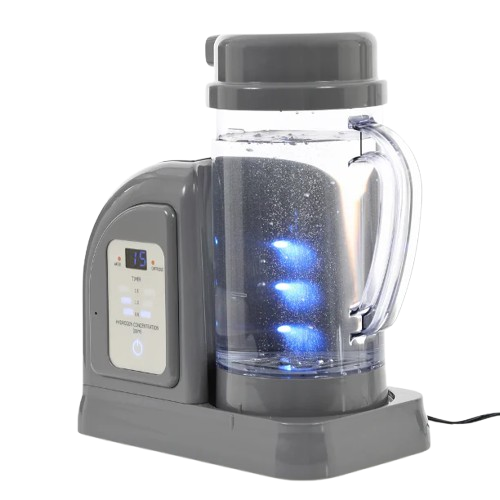
Molecular hydrogen can be delivered through various methods, including hydrogen water generated through electrolysis. High-purity hydrogen generation devices use separate-chamber electrolysis systems with specialized membranes and platinum-titanium electrodes to produce hydrogen gas that dissolves in water, reaching concentrations that have been studied in research settings.
Multiple Pathways in Cellular Research
Research into cellular wellness explores many distinct avenues, from amino acids like taurine to selective antioxidant approaches. Each represents an independent area of scientific investigation with different mechanisms, applications, and evidence bases.
The taurine research highlights how age-related changes in amino acid metabolism may influence cellular function through specific mitochondrial mechanisms. Meanwhile, selective antioxidant research examines entirely different pathways related to oxidative balance. Both areas continue to evolve as scientists work to understand the complex factors that influence cellular resilience.
For health-conscious individuals interested in evidence-based approaches to wellness, staying informed about these diverse research areas provides valuable perspective. Whether exploring amino acid supplementation based on measurable biomarkers or learning about emerging technologies in aging rejuvenation, the emphasis should remain on understanding the science, recognizing limitations, and making informed decisions as part of a comprehensive wellness routine.
Those interested in learning more about high-purity hydrogen generation technology for general wellness applications can explore resources on the engineering and testing standards that ensure device quality and safety. Similarly, individuals considering taurine supplementation based on the research presented should consult with healthcare providers to determine appropriateness for their individual circumstances.
These statements have not been evaluated by the Food and Drug Administration (FDA). The information presented is for educational and general wellness purposes only and should not be considered medical advice. Holy Hydrogen products are not intended to diagnose, treat, cure, or prevent any disease. Holy Hydrogen does not make any claims or give any advice regarding medical conditions.
References
[1] Singh, P., et al. “Taurine deficiency as a driver of aging.” Science. 2023. https://www.science.org/doi/10.1126/science.abn9257
[2] Columbia University Vagelos College of Physicians and Surgeons. “Taurine May Be Key to Longer and Healthier Life.” 2023. https://www.columbiadoctors.org/news/taurine-may-be-key-longer-and-healthier-life
[3] National Institutes of Health. “NIH researchers conclude taurine unlikely to be good aging biomarker.” 2025. https://www.nih.gov/news-events/news-releases/nih-researchers-conclude-taurine-unlikely-be-good-aging-biomarker
[4] Jong, C.J., et al. “The Role of Taurine in Mitochondria Health: More Than Just an Antioxidant.” PubMed Central. 2022. https://pmc.ncbi.nlm.nih.gov/articles/PMC8400259/
[5] Surai, P.F., et al. “Taurine as a Natural Antioxidant: From Direct Antioxidant Effects to Protective Action in Various Toxicological Models.” PubMed Central. 2024. https://pmc.ncbi.nlm.nih.gov/articles/PMC11717795/
[6] Wu, J.Y., et al. “Role of taurine in the central nervous system.” PubMed Central. 2018. https://pmc.ncbi.nlm.nih.gov/articles/PMC5933890/
[7] Kurtz, J.A., et al. “Taurine in sports and exercise.” Journal of the International Society of Sports Nutrition. 2021. https://pmc.ncbi.nlm.nih.gov/articles/PMC8152067/