
The human body possesses remarkable built-in defense systems that protect cells from daily stressors—from environmental pollutants to the natural byproducts of energy metabolism. Understanding how to support these cellular defense mechanisms through evidence-based natural approaches has become a cornerstone of modern wellness science. This comprehensive overview examines various interventions, from intermittent fasting to specialized functional beverages, that research suggests may activate the body’s innate resilience pathways.
The Science of Cellular Defense Mechanisms
At the heart of cellular resilience lies a fascinating biological principle called hormesis—the adaptive response where controlled, low-level stress actually strengthens cellular defenses. [Researchers have noted this phenomenon in various studies.] This phenomenon forms the foundation for understanding how various wellness practices may support cellular health.
The body’s cellular defense systems operate through multiple interconnected pathways. Research has identified several key mechanisms, including the Nrf2 pathway (nuclear factor erythroid 2-related factor 2), which serves as a master regulator of antioxidant response. [Studies indicate this pathway helps maintain cellular balance.]
These pathways don’t work in isolation. Studies indicate that hormetic stress activates multiple signaling cascades simultaneously, including AMPK (cellular energy sensor), mTOR (growth regulator), and various heat-shock proteins that protect cellular structures [1]. This coordinated response helps cells adapt to challenges and maintain optimal function under varying conditions.
Fasting and Exercise: Activating Cellular Renewal
Intermittent Fasting and Autophagy
Among natural interventions studied for cellular resilience, intermittent fasting has garnered significant scientific attention. [Research has explored how fasting affects cellular self-cleaning processes through various molecular pathways.]
The mechanisms behind fasting’s effects on cellular defense are multifaceted. [Studies suggest fasting may influence oxidative stress markers and antioxidant enzyme activities.] This controlled stress appears to trigger hormetic adaptation, with the body responding to temporary nutrient restriction by upregulating protective mechanisms.
[A 2025 study examining the 16:8 fasting protocol found changes in oxidative stress markers.] These findings suggest that structured fasting protocols may help support the body’s natural antioxidant systems.
Zone 2 Exercise and Mitochondrial Adaptation
Physical exercise represents another well-studied approach to cellular resilience. [Research confirms that exercise can activate certain cellular pathways in response to normal metabolic processes.] This exercise-induced stress, when properly dosed, triggers beneficial adaptations.
Zone 2 training—moderate-intensity aerobic exercise performed at a comfortable, sustainable pace—has emerged as particularly effective for mitochondrial health. [Evidence indicates that training for 60-120 minutes at comfortable intensities can support mitochondrial function.] This type of exercise activates PGC-1α, an important factor in cellular energy production [8].
The hormetic nature of exercise becomes clear when examining how trained individuals adapt. [Research notes that well-trained individuals develop enhanced tolerance to exercise stress.] This enhanced tolerance reflects strengthened cellular defense systems developed through consistent training.
Functional Beverages for Cellular Support
Coffee and Green Tea: Polyphenol Powerhouses
Beyond lifestyle interventions, certain functional beverages have demonstrated interesting effects on cellular defense pathways. Coffee, one of the world’s most consumed beverages, contains bioactive compounds that research suggests may support cellular health through multiple mechanisms.
[Studies have found that coffee contains polyphenols that may support cellular processes.] Additional research confirms coffee’s notable antioxidant activity compared to other polyphenolic beverages [11].
Green tea offers another polyphenol-rich option with substantial research backing. [A meta-analysis concluded that green tea supplementation supports antioxidant capacity in adults.] The primary bioactive compound, EGCG (epigallocatechin gallate), has been extensively studied for its effects on cellular antioxidant defense systems [13].
Molecular Hydrogen: A Selective Approach
Among emerging functional beverages, hydrogen-rich water presents a unique mechanism of action. Unlike broad-spectrum antioxidants that may interfere with beneficial signaling molecules, molecular hydrogen demonstrates selective antioxidant properties, targeting only the most harmful reactive oxygen species while preserving those needed for cellular signaling.
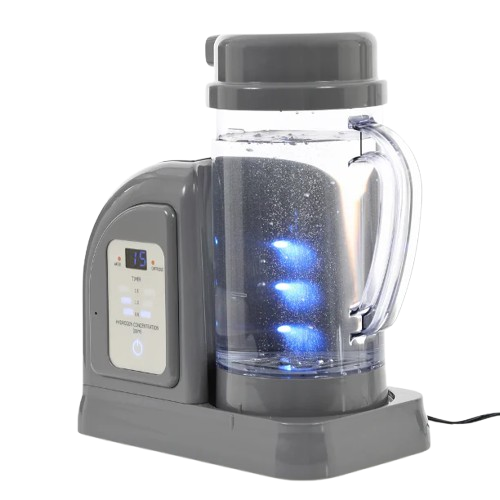
The production method matters significantly for hydrogen water quality. Devices utilizing separate-chamber electrolysis systems with high-purity titanium and platinum electrodes can generate hydrogen-rich water with dissolved hydrogen concentrations reaching approximately 1.6 parts per million. This engineering approach, particularly when combined with specialized membranes and independent laboratory testing, ensures consistent hydrogen generation without unwanted byproducts.
What distinguishes molecular hydrogen from other functional beverages is its selective mechanism—it appears to activate cellular defense pathways through a route that doesn’t interfere with normal redox signaling. This selective action makes it potentially complementary to other wellness approaches rather than redundant.
Building Your Integrated Protocol
Creating an effective cellular resilience strategy involves understanding how different approaches can work together. Research suggests that combining multiple mild stressors may activate complementary pathways, potentially offering broader support than any single intervention alone.
Practical Timing Considerations
When implementing multiple approaches, timing becomes important:
- Morning fasting windows naturally align with overnight fasting
- Zone 2 exercise during fasted states may support mitochondrial adaptations, though individual tolerance varies
- Functional beverages can be strategically incorporated—coffee during fasting windows (black coffee doesn’t break a fast), green tea throughout the day, and hydrogen-rich water as desired
Individual Variability and Adaptation
The hormesis principle reminds us that optimal “doses” of these interventions vary significantly between individuals. Factors influencing response include:
- Current fitness level and metabolic health
- Stress tolerance and recovery capacity
- Genetic variations in antioxidant enzyme production
- Existing dietary patterns and nutritional status
Starting with single interventions and gradually adding others allows for assessment of individual response and tolerance. Some may thrive with daily 16:8 fasting, while others benefit more from alternate-day protocols. Similarly, Zone 2 exercise duration and frequency should be tailored to current fitness levels.
Quality and Consistency Matter
For any approach to effectively support cellular resilience, quality and consistency prove paramount. This applies equally to:
- Fasting protocols: Maintaining consistent eating windows rather than sporadic restriction
- Exercise programs: Regular Zone 2 sessions rather than occasional intense workouts
- Functional beverages: Choosing high-quality sources—organic coffee, ceremonial-grade matcha, or hydrogen water from devices with verified purity and output
Emerging Research and Future Directions
The field of cellular resilience continues to evolve rapidly. Current research frontiers include:
- Circadian optimization: How timing interventions with natural biological rhythms may enhance effects
- Personalized protocols: Using biomarkers to tailor interventions to individual needs
- Combination approaches: Understanding optimal combinations and sequencing of different approaches
- Molecular mechanisms: Deeper exploration of how various interventions activate overlapping versus distinct pathways
As research progresses, our understanding of how to optimally support cellular defense mechanisms will undoubtedly become more sophisticated and personalized.
Conclusion
Supporting cellular resilience through natural interventions represents a scientifically grounded approach to general wellness. The research examined here suggests that controlled stressors—whether through intermittent fasting, Zone 2 exercise, or specific functional beverages—may activate the body’s innate defense mechanisms through hormetic adaptation.
The key insight from current research is that cellular resilience isn’t about avoiding all stress, but rather about strategically applying controlled challenges that prompt beneficial adaptations. Whether through fasting, Zone 2 exercise, the polyphenol effects of coffee and green tea, or the selective antioxidant properties of molecular hydrogen, each approach offers unique pathways to support cellular health.
For those interested in developing a comprehensive cellular resilience strategy, the evidence points toward an integrated approach combining multiple interventions tailored to individual needs and responses. Quality, consistency, and gradual progression remain fundamental principles regardless of which specific approaches are chosen.
To deepen your understanding of the science behind cellular resilience and explore detailed research on specific interventions, consider downloading our comprehensive guide to cellular defense mechanisms and evidence-based wellness strategies. Knowledge empowers better choices, and understanding the mechanisms behind these approaches helps in creating a personalized protocol that aligns with individual wellness goals.
These statements have not been evaluated by the Food and Drug Administration (FDA). Holy Hydrogen products are not medical devices and are not intended to diagnose, treat, cure, or prevent any disease. All content is for educational and general wellness purposes only and should not be considered medical advice. Holy Hydrogen does not make any medical claims or give any medical advice.
References
[1] Wang S, et al. “Hormesis: A fundamental principle in aging research.” Nature npj Aging. 2024. https://www.nature.com/articles/s41514-024-00155-3
[2] Schmidlin CJ, et al. “Redox regulation by NRF2 in aging and disease.” GeroScience. 2020. https://pmc.ncbi.nlm.nih.gov/articles/PMC6925097/
[3] Springer Nature. “Intermittent Fasting and Autophagy: A Narrative Review.” Springer Nature (Ahead of print). 2025. https://pubmed.ncbi.nlm.nih.gov/40481380/
[4] Aly SM, et al. “Oxidative Stress Status and Liver Tissue Histopathological Changes during Fasting.” Veterinary Sciences. 2022. https://pmc.ncbi.nlm.nih.gov/articles/PMC9455196/
[5] Khalafi M, et al. “Effects of intermittent fasting on oxidative stress and antioxidant status.” Scientific Reports. 2025. https://www.nature.com/articles/s41598-025-86734-0
[6] Done AJ, et al. “Nrf2 Mediates Redox Adaptations to Exercise.” Antioxidants. 2019. https://www.mdpi.com/2076-3921/8/6/196
[7] HealthSpan. “Zone 2 Endurance Training and Mitochondrial Health.” HealthSpan. 2024. https://gethealthspan.com/science/article/zone-2-endurance-training-longevity-mitochondrial-health
[8] Memme JM, et al. “Exercise and mitochondrial health.” Frontiers in Physiology. 2021. https://www.frontiersin.org/journals/physiology/articles/10.3389/fphys.2021.660068/full
[9] He F, et al. “Redox Mechanism of Reactive Oxygen Species in Exercise.” Oxidative Medicine and Cellular Longevity. 2016. https://pmc.ncbi.nlm.nih.gov/articles/PMC5345970/
[10] Pietrocola F, et al. “Coffee induces autophagy in vivo.” Cell Cycle. 2014. https://www.ncbi.nlm.nih.gov/pmc/articles/PMC4111762/
[11] Górecki M, et al. “Antioxidant Capacity of Coffee.” Molecules. 2017. https://pmc.ncbi.nlm.nih.gov/articles/PMC5502025/
[12] Rasaei N, et al. “The Effect of Green Tea Supplementation on Antioxidant Status in Adults.” Antioxidants. 2021. https://www.ncbi.nlm.nih.gov/pmc/articles/PMC8614888/
[13] Bedrood Z, et al. “Green Tea Catechins and Antioxidant Activity.” Molecules. 2024. https://pmc.ncbi.nlm.nih.gov/articles/PMC12470402/