
The search for natural cognitive support has led many to explore nootropics—compounds that may enhance mental performance. Among these, Lion’s Mane mushroom (Hericium erinaceus) has garnered significant scientific attention for its unique mechanism of action. Rather than relying on marketing claims, understanding how these compounds work at the cellular level empowers more informed decisions about cognitive wellness strategies.
The Science Behind Lion’s Mane: NGF Stimulation and Beyond
Lion’s Mane mushroom contains distinctive bioactive compounds that set it apart from other functional mushrooms. Research published in the International Journal of Molecular Sciences identifies two primary groups of active compounds: hericenones from the fruiting body and erinacines from the mycelium [1]. These compounds demonstrate a remarkable ability to stimulate nerve growth factor (NGF) production, a protein essential for the growth, maintenance, and survival of neurons.
The mechanism involves these compounds crossing the blood-brain barrier—a critical feature for any nootropic substance. [Research has explored how certain compounds from Lion’s Mane may interact with NGF pathways.] This represents a unique pathway for supporting cognitive function that differs from conventional stimulants or synthetic nootropics.
Quantitative research has measured the potency of these compounds. Studies demonstrate that erinacines A, B, and C stimulate NGF synthesis at specific concentrations, with measured NGF activity in mouse astroglial cells when treated with these compounds [6]. This quantification provides a scientific basis for understanding dosage and effectiveness considerations.
Evaluating Nootropics: A Framework for Mechanism-Based Assessment
When evaluating any nootropic compound, several factors merit consideration beyond marketing language. First, examining the specific mechanism of action provides insight into how a compound might support cognitive function. Lion’s Mane’s NGF stimulation represents a well-documented pathway, as research confirms it shows potential as a compound of interest in nutritional science [1].
Quality and standardization emerge as critical factors in nootropic evaluation. [Researchers emphasize the importance of standardization in dietary supplements.] This highlights the importance of selecting products that undergo rigorous testing and maintain consistent concentrations of active compounds.
Evidence from controlled studies provides another evaluation criterion. A placebo-controlled study in healthy young adults demonstrated both acute and chronic cognitive effects from Lion’s Mane supplementation, including improved performance speed and reduced subjective stress [2]. Such controlled studies offer more reliable insights than anecdotal reports or marketing testimonials.
The Role of Oxidative Stress in Cognitive Function
While NGF stimulation represents one pathway for cognitive support, oxidative stress management presents another crucial mechanism. Research in the Journal of Neuroinflammation demonstrates that oxidative stress markers correlate with cognitive changes in healthy aging adults. [Researchers observed associations between oxidative markers and cognitive performance metrics.]
This finding underscores why comprehensive cognitive wellness strategies often address multiple pathways simultaneously. Oxidative stress occurs when reactive oxygen species (ROS) accumulate faster than the body’s antioxidant systems can neutralize them, potentially affecting cellular components including neurons.
Molecular Hydrogen: A Selective Antioxidant Approach
Among various approaches to managing oxidative stress, molecular hydrogen has emerged as a unique selective antioxidant. Foundational research published in Nature Medicine revealed that molecular hydrogen demonstrates selective interaction with specific reactive oxygen species [3]. For those interested in exploring the benefits of hydrogen infused water solutions, various products are now available to support antioxidant wellness.
This selectivity distinguishes molecular hydrogen from conventional antioxidants. Rather than indiscriminately neutralizing all free radicals—some of which serve important signaling functions—molecular hydrogen targets specific species. This selective action may help preserve normal cellular signaling while supporting the body’s natural response to oxidative challenges.
Recent systematic reviews support molecular hydrogen’s role in managing exercise-induced oxidative stress. A 2024 meta-analysis in Frontiers in Nutrition found that supplementation can help support antioxidant potential capacity in healthy adults, especially during intermittent exercise [4]. While this research focused on exercise contexts, the underlying mechanism of selective antioxidant action applies broadly to oxidative stress management.
Complementary Mechanisms for Cognitive Support
The combination of NGF stimulation through compounds like those in Lion’s Mane and selective antioxidant properties of molecular hydrogen represents complementary approaches to cognitive wellness. While Lion’s Mane supports nerve growth and maintenance pathways, molecular hydrogen addresses oxidative balance that can affect cognitive function and influence beta gamma oscillations mood regulation.
This multi-mechanism approach aligns with current understanding of cognitive health as involving multiple interrelated systems. Rather than seeking a single solution, evidence suggests that supporting various pathways simultaneously may offer more comprehensive cognitive wellness support.
Practical Considerations for Implementation
When incorporating these evidence-based approaches into a wellness routine, several practical factors deserve attention. For Lion’s Mane supplements, the concentration and standardization of active compounds significantly impact effectiveness. Products should specify the content of hericenones and erinacines, with independent lab testing providing additional quality assurance.
Dosage considerations vary based on the specific formulation and standardization of products. Research protocols have used various dosages, emphasizing the importance of following evidence-based guidelines rather than arbitrary recommendations. The bioavailability and absorption of compounds also influence effectiveness, making extraction methods and formulation relevant factors.
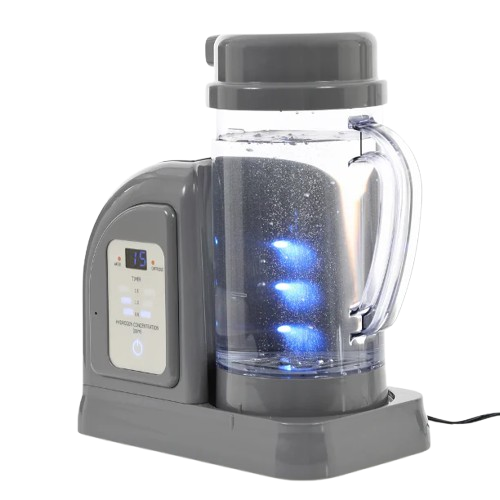
For molecular hydrogen, delivery methods include a hydrogen water system and inhalation systems. Each method achieves different concentrations and absorption rates. High-purity hydrogen generation, verified through independent laboratory testing, ensures consistent and safe delivery of this selective antioxidant.
Quality standards apply equally to both approaches. Third-party testing, transparency about sourcing and processing methods, and adherence to manufacturing standards all contribute to product reliability. These factors become particularly important given the variability in supplement quality across the market.
The Importance of Research-Based Evaluation
The field of cognitive wellness continues to evolve with ongoing research revealing new mechanisms and refining understanding of established compounds. The evidence for Lion’s Mane’s NGF-stimulating properties and molecular hydrogen’s selective antioxidant effects represents current scientific understanding, though research continues to explore optimal applications and potential synergies.
Maintaining a research-based perspective helps distinguish between evidence-supported mechanisms and marketing claims. As new studies emerge, the understanding of how these compounds support cognitive function may expand or become more nuanced. This ongoing scientific investigation underscores the importance of staying informed about current research rather than relying on static information.
Conclusion: Evidence-Based Cognitive Wellness Strategies
Understanding the mechanisms behind cognitive support compounds enables more informed decisions about wellness strategies. Lion’s Mane mushroom’s ability to stimulate NGF production through hericenones and erinacines provides a scientifically-documented pathway for supporting neural health. Simultaneously, addressing oxidative balance through selective antioxidants represents a complementary approach to maintaining cognitive function.
The key lies not in seeking solutions but in understanding how different compounds work at the cellular level and selecting evidence-based approaches that align with individual wellness goals. Quality, standardization, and independent testing remain crucial factors regardless of the specific compounds chosen.
As research continues to unveil the complex interactions between various cognitive support mechanisms, the importance of mechanism-based evaluation becomes increasingly clear. Rather than following trends or marketing claims, examining the scientific evidence behind nootropics and their complementary approaches provides a foundation for thoughtful cognitive wellness strategies.
Explore our complete guide to evidence-based cognitive wellness approaches, where we examine the science behind various natural compounds and their mechanisms for supporting mental clarity.
These statements have not been evaluated by the Food and Drug Administration (FDA). Holy Hydrogen products are not intended to diagnose, treat, cure, or prevent any disease. All content is for educational and general wellness purposes only and should not be considered medical advice. Holy Hydrogen does not make any medical claims or give any medical advice.
References
[1] Szydłowska-Tutaj, M., et al. “The Influence of Lion’s Mane Mushroom (Hericium erinaceus) on the Neuroprotective and Regenerative Potential of the Brain and Nervous System.” International Journal of Molecular Sciences. 2023. https://www.mdpi.com/1422-0067/24/21/15960
[2] Docherty, S., et al. “The Effects of Lion’s Mane (Hericium erinaceus) Mushroom on Cognitive Performance and Mood in Healthy Young Adults: A Double-Blind, Placebo-Controlled Study.” Nutrients. 2023. https://pmc.ncbi.nlm.nih.gov/articles/PMC10675414/
[3] Ohsawa, I., et al. “Hydrogen acts as a therapeutic antioxidant by selectively reducing cytotoxic oxygen radicals.” Nature Medicine. 2007. https://pubmed.ncbi.nlm.nih.gov/17486089/
[4] Zhou, G., et al. “The effects of molecular hydrogen supplementation on oxidative stress and exercise performance: A systematic review and meta-analysis.” Frontiers in Nutrition. 2024. https://www.frontiersin.org/journals/nutrition/articles/10.3389/fnut.2024.1328705/full
[5] Berr, C., et al. “Increased oxidative stress is associated with cognitive decline in a healthy elderly population: results of the PAQUID cohort study.” Journal of Neuroinflammation. 2018. https://pmc.ncbi.nlm.nih.gov/articles/PMC5771063/
[6] Li, I.C., et al. “Hericium erinaceus: A medicinal mushroom with valuable biological properties and therapeutic potential in neurodegenerative diseases.” Frontiers in Pharmacology. 2024. https://www.frontiersin.org/journals/pharmacology/articles/10.3389/fphar.2024.1406879/full