The challenge of delayed-onset muscle soreness (DOMS) represents a universal experience among athletes and fitness enthusiasts, often limiting training frequency and performance progression. As mechanical recovery tools like percussion massagers become increasingly prevalent in athletic settings, understanding their mechanisms and optimal application becomes essential for evidence-based recovery protocols. This examination explores the science behind percussion massage, its effects on muscle tissue during DOMS recovery, and how strategic integration with complementary approaches may optimize overall recovery outcomes.
The Science of Mechanical Recovery: How Percussion Massage Works
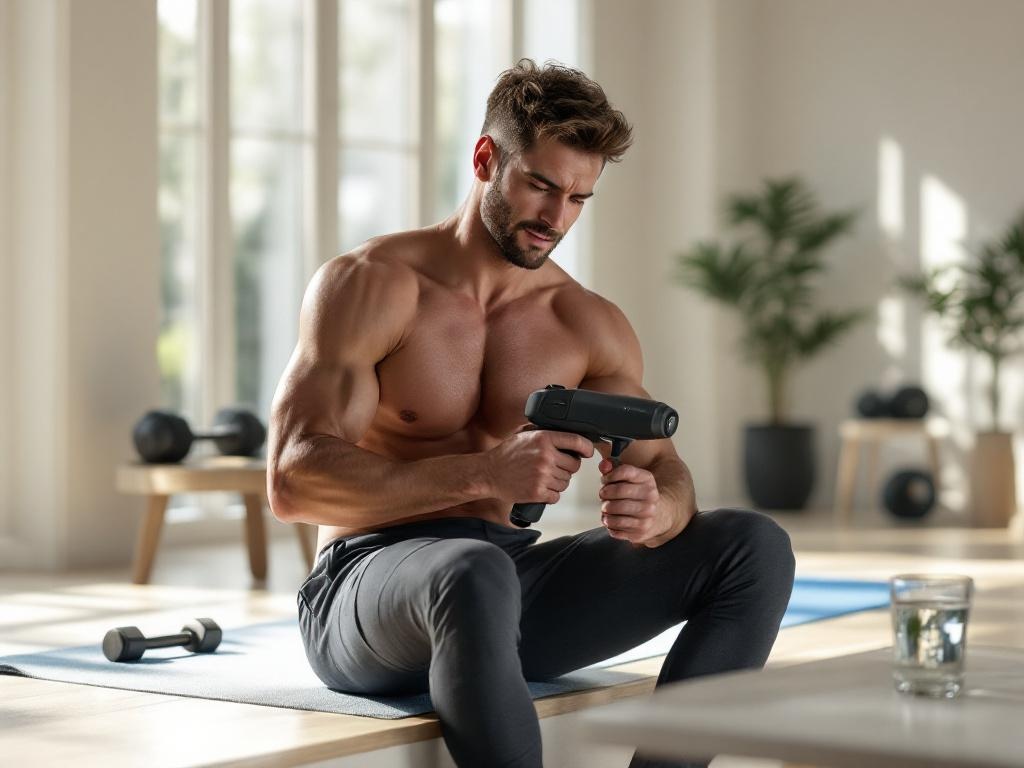
Percussion massage technology operates through rapid, repetitive pulses delivered to muscle tissue, typically ranging from 20 to 60 Hz in frequency. These devices apply vibration and rapid pulses in short bursts of pressure to the muscle belly or tendon, creating mechanical stimulation that influences multiple physiological processes. The mechanism involves “floating” the device over the skin surface while delivering controlled percussive forces that penetrate deep into myofascial tissues.
Research indicates that percussion massage affects muscle recovery through several proposed pathways. Scientists have observed that mechanical stimulation appears to influence nerve signaling pathways and local circulation patterns. Additionally, the mechanical stimulation appears to support circulation and facilitate natural recovery processes.
The physiological response to percussion massage extends beyond simple mechanical effects. Studies demonstrate that these devices may support blood flow, help maintain flexibility, improve range of motion, and help address muscle tension through targeted percussive application. This multi-faceted approach addresses both the mechanical and circulatory aspects of muscle recovery, making percussion massage a comprehensive tool for post-exercise recovery support.
Evidence-Based Protocols: Timing, Frequency, and Application
The effectiveness of percussion massage depends significantly on proper timing and application protocols. Research tracked multiple percussion massage sessions following eccentric exercise, revealing important insights about optimal usage patterns. Studies found that percussion massage sessions consistently provided temporary comfort when used 24-72 hours post-exercise.
Duration of session emerges as a critical factor in percussion massage effectiveness. Research comparing different session durations demonstrated that longer sessions (40 minutes) showed different outcomes compared to shorter sessions (25 minutes). This finding suggests that session length may influence recovery experiences, though practical considerations and individual tolerance must be considered.
Frequency settings also play an important role in user experience. Analysis of multiple studies reveals that percussion devices typically operate between 20 Hz and 60 Hz, with 40 Hz and 53 Hz being the most commonly utilized frequencies in research protocols. A standard protocol examined in recent research utilized 2,400 percussions per minute (40 Hz) for 8 minutes of total time, demonstrating changes in hamstring flexibility compared to other recovery methods.
The application technique matters as well. Research protocols typically involve participants lying prone on a table while remaining relaxed during the massage. The percussion device should be moved systematically across the target muscle groups, maintaining consistent pressure without causing discomfort.
Comparing Mechanical Recovery Methods: Percussion Massage vs. Traditional Approaches
When evaluating percussion massage against other mechanical recovery methods, research provides nuanced insights into their relative effectiveness. A comprehensive study directly compared foam rolling to percussive massage for DOMS recovery. The findings revealed that both methods showed effects on muscle properties during the recovery period.
Interestingly, the comparative analysis showed method-specific advantages. Studies noted that both foam rolling and percussive massage influenced recovery parameters differently compared to passive rest. However, individual responses varied significantly.
Research synthesizing 13 studies on percussive application delivered by massage guns established relationships between single applications and changes in muscle performance metrics, with multiple sessions showing different outcomes for musculoskeletal comfort.
Analysis data provides broader context, demonstrating that massage techniques showed notable outcomes among various recovery interventions. The analysis also revealed that combined recovery strategies may offer different outcomes compared to single interventions, establishing support for multi-modal recovery protocols.
The Inflammatory Response and Oxidative Stress in DOMS
Understanding DOMS requires examining the underlying inflammatory cascade and oxidative stress response following intense exercise. Research demonstrates that exercise leads to a robust inflammatory response mainly characterized by the mobilization of leukocytes and changes in circulating inflammatory mediators produced by immune cells and directly from the active muscle tissue. This inflammatory process involves the sequential release of various cytokines that modulate the response.
The oxidative stress component of exercise-induced muscle changes creates additional recovery challenges. During intense physical activity, the production of reactive oxygen species changes substantially, contributing to muscle fatigue and recovery timing. While percussion massage addresses the mechanical and circulatory aspects of recovery, the cellular-level oxidative stress requires complementary approaches for comprehensive management.
Multi-Modal Recovery: Integrating Mechanical and Biochemical Approaches
The concept of multi-modal recovery recognizes that optimal DOMS management requires addressing multiple physiological systems simultaneously. While percussion massage effectively targets mechanical tissue properties and local circulation, research suggests that complementary approaches addressing the biochemical aspects of recovery may enhance overall outcomes.
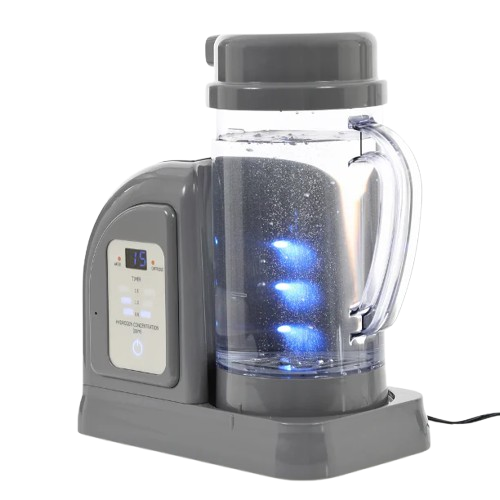
Recent investigations into molecular hydrogen as a selective antioxidant provide insights into potential support for recovery. Research examined molecular hydrogen supplementation during exercise, noting its properties as an antioxidant that may support the body’s natural response to exercise-induced oxidative stress. The research highlighted that hydrogen can selectively interact with certain reactive species while preserving beneficial oxidants involved in physiological adaptation.
Studies in athletes investigated hydrogen-rich water’s impact on exercise recovery, observing changes in muscle comfort perception at specific post-exercise timepoints. Research suggested that hydrogen-rich water consumption at various timepoints around exercise may be considered an interesting approach for supporting recovery after physically demanding exercise.
The selective nature of molecular hydrogen’s properties presents an interesting complement to mechanical recovery methods. Research indicates that by maintaining physiological levels of certain molecules, hydrogen may support cellular defense mechanisms and resilience.
Performance-focused research has demonstrated practical applications of this support. A resistance training study found that hydrogen-rich water intake showed differences in muscular endurance performance metrics in trained individuals.
Practical Implementation: Developing an Integrated Recovery Protocol
Based on the research evidence, an effective recovery protocol might integrate percussion massage with complementary approaches in the following manner:
Immediate Post-Exercise (0-2 hours):
- Light percussion massage (5-10 minutes) at lower frequencies (20-30 Hz) to support circulation
- Focus on general muscle groups without excessive pressure
- Consider complementary support strategies during this window
Acute Recovery Phase (24-48 hours):
- Increase percussion massage duration to 15-20 minutes per muscle group
- Utilize moderate frequencies (40-53 Hz) based on research protocols
- Apply systematically to affected muscle groups while maintaining relaxation
Extended Recovery (48-72 hours):
- Continue percussion massage as needed for comfort
- Consider longer sessions (up to 40 minutes total) as appropriate
- Monitor individual response and adjust frequency/duration accordingly
Integration Considerations:
- Combine mechanical interventions with adequate hydration and nutrition
- Consider timing of different recovery modalities to avoid interference
- Monitor individual response patterns to optimize personal protocols
Optimizing Recovery Through Science-Based Strategies
The evidence surrounding percussion massage for DOMS recovery reveals both its potential benefits and limitations. Research demonstrates that percussion massage may support comfort, flexibility, and muscle properties during recovery periods. These devices provide a portable and cost-effective alternative to other forms of vibration and interventions, making them accessible tools for athletes at various levels.
The key to maximizing percussion massage effectiveness lies in understanding its mechanisms and applying evidence-based protocols. The research suggests treatment durations of 8-40 minutes, frequencies between 20-53 Hz, and strategic timing 24-72 hours post-exercise. While percussion massage may not completely eliminate DOMS-related discomfort, it consistently provides temporary relief and helps maintain performance capacity during recovery periods.
The emerging understanding of multi-modal recovery approaches suggests that addressing both mechanical and biochemical aspects of DOMS may offer enhanced outcomes. Percussion massage effectively targets tissue properties and local circulation, while complementary approaches that support the body’s natural recovery processes at the cellular level may enhance overall recovery. Research into selective antioxidants like molecular hydrogen demonstrates promising results for supporting the body’s natural response to exercise-induced oxidative stress without interfering with beneficial training adaptations.
For athletes and fitness enthusiasts seeking to optimize recovery, the evidence supports incorporating percussion massage as part of a comprehensive recovery strategy. The combination of mechanical intervention through percussion application with biochemical support through proper nutrition, hydration, and potentially selective antioxidant supplementation represents a scientifically-grounded approach to managing DOMS and maintaining training consistency.
Explore the complete science of recovery optimization and discover how integrating multiple evidence-based approaches can support your training outcomes. Understanding the mechanisms behind both mechanical and biochemical recovery methods empowers informed decisions about personal recovery protocols, ultimately supporting sustained athletic performance and training progression.
These statements have not been evaluated by the Food and Drug Administration (FDA). Holy Hydrogen products are not intended to diagnose, treat, cure, or prevent any disease. All content is for educational and general wellness purposes only and should not be considered medical advice. Holy Hydrogen does not make any medical claims or give any medical advice.